The Starry Messenger:
Visions of the Universe
7 July 2006 – 10 September 2006
About the
exhibition
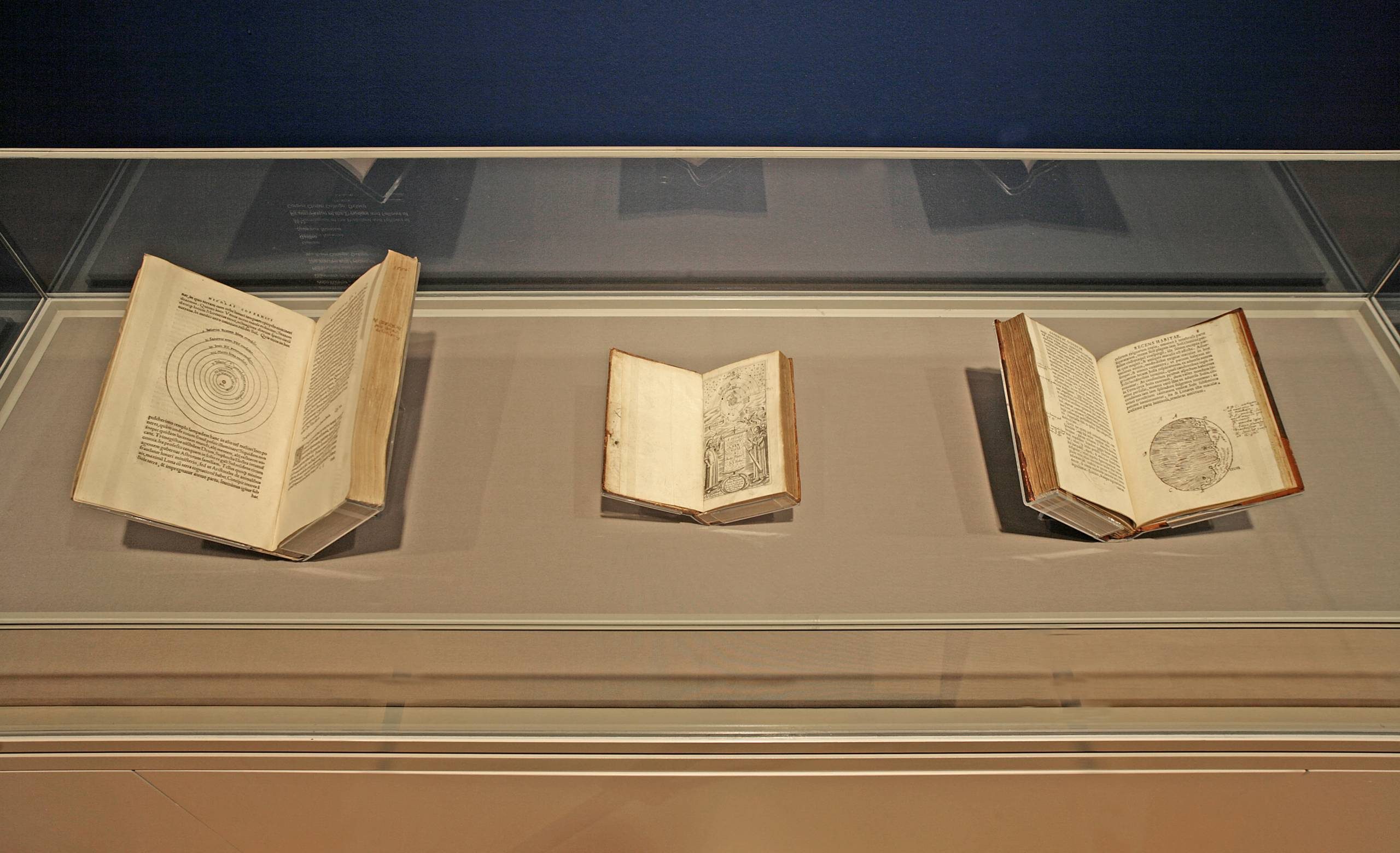
In 1610 Galileo viewed the sky through a newly invented telescope and his observations marked a major turning point in the way that we view the world. The Starry Messenger looked at artists’ visions of the universe and its continuing influence on the imagination.
The exhibition began with Galileo’s book, Sidereus Nuncius (The Starry Messenger), and his subsequent meeting with the poet John Milton, as described in the epic poem Paradise Lost. The exhibition explored the dreams and imagination of a Western culture through the visionary paintings of William Blake, John Martin and Odilon Redon, via the utopian worlds and dilemmas posed by science fiction, to contemporary works that question man’s knowledge of life on earth.
The Starry Messenger brought together historical and contemporary work exploring the way science and technology shape the way we think about the world as well as considering the artist’s role as transmitter of these ideas.
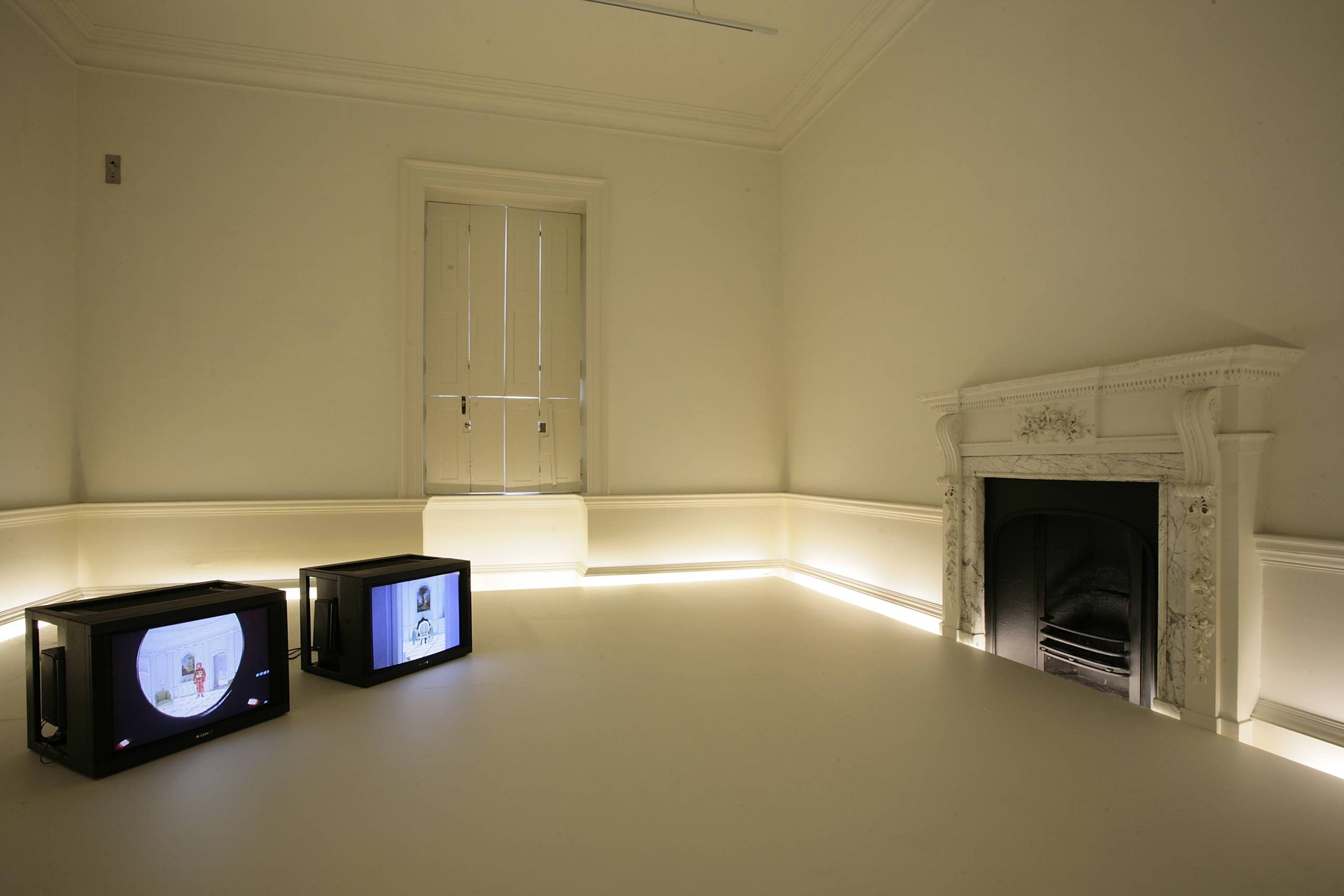
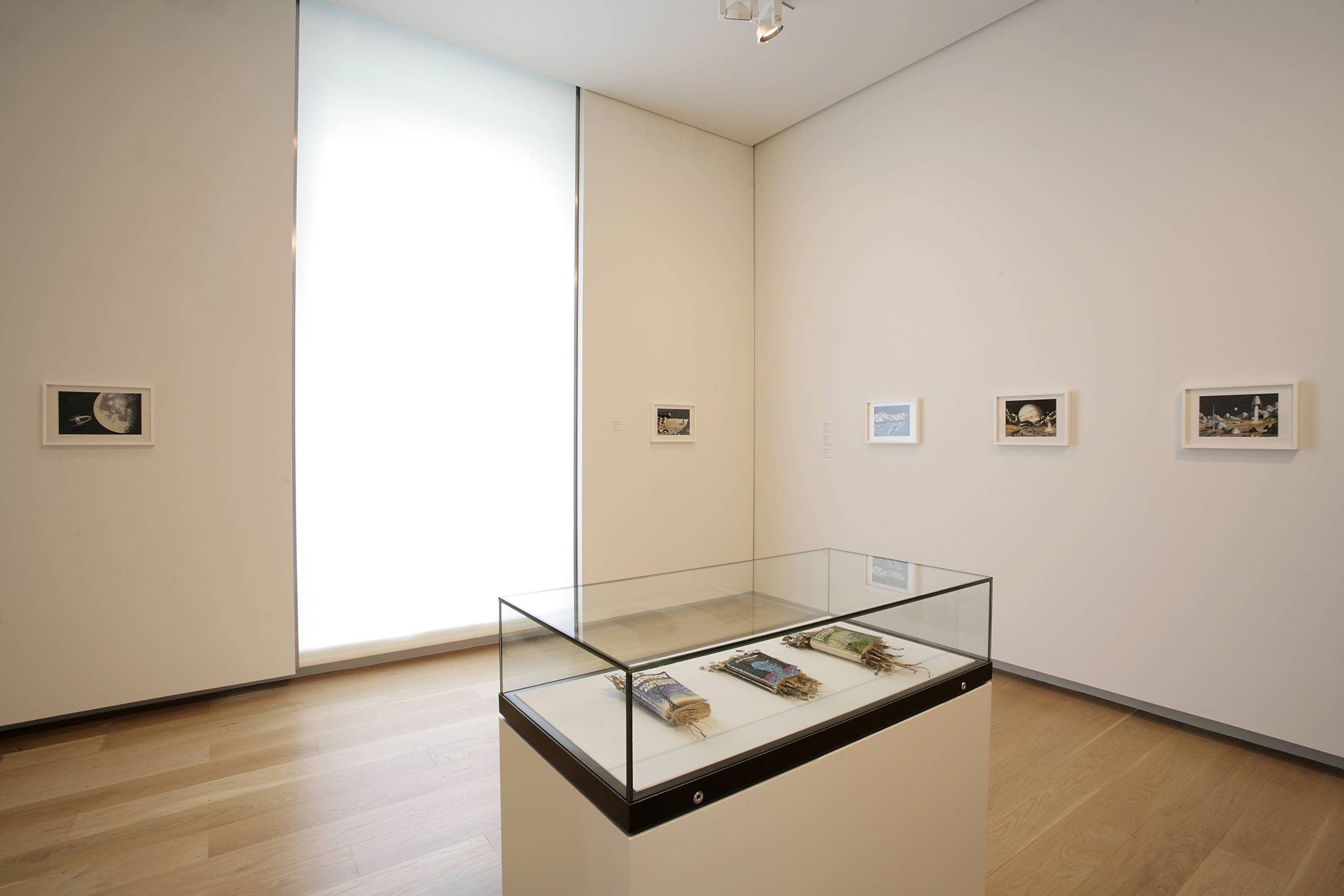
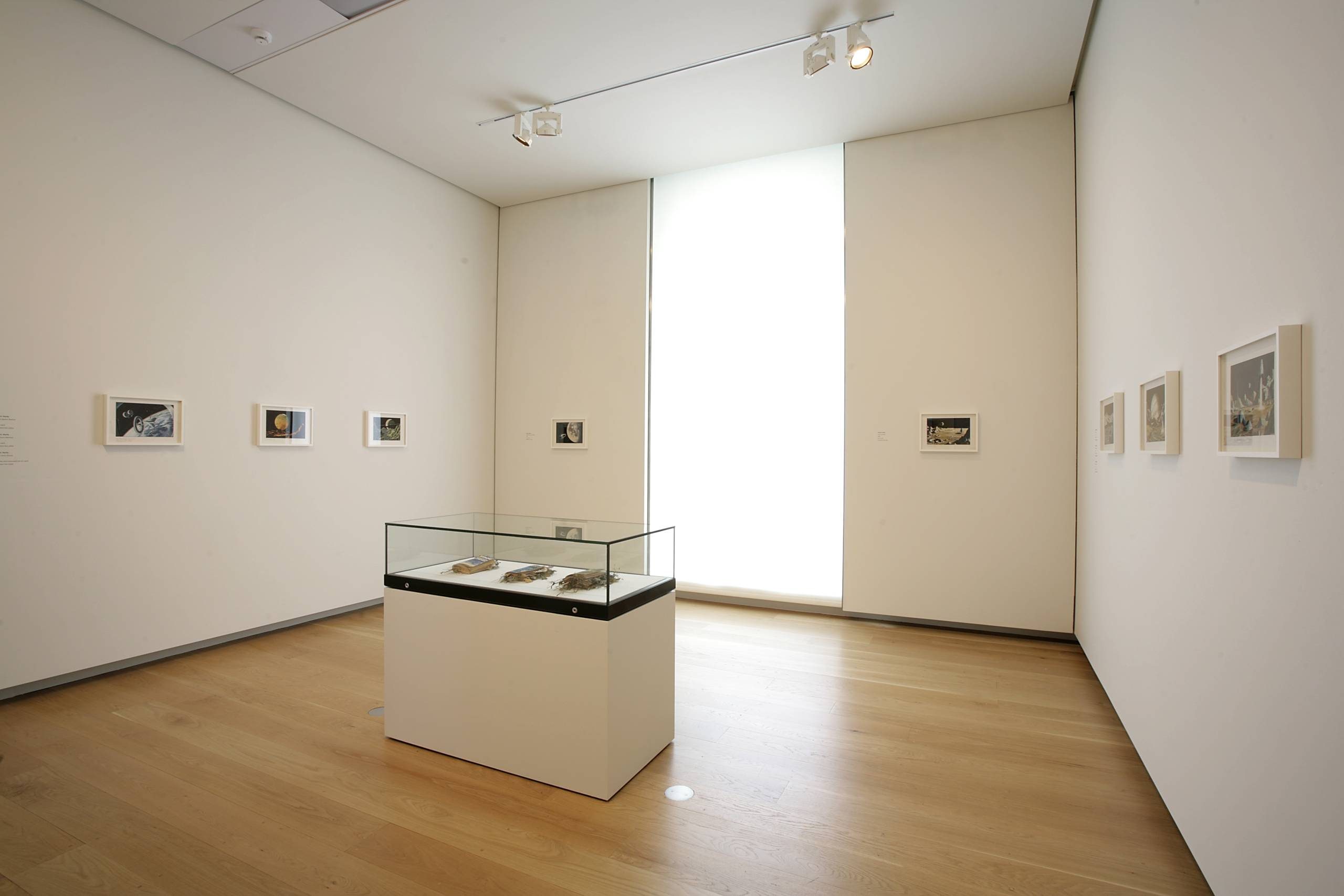
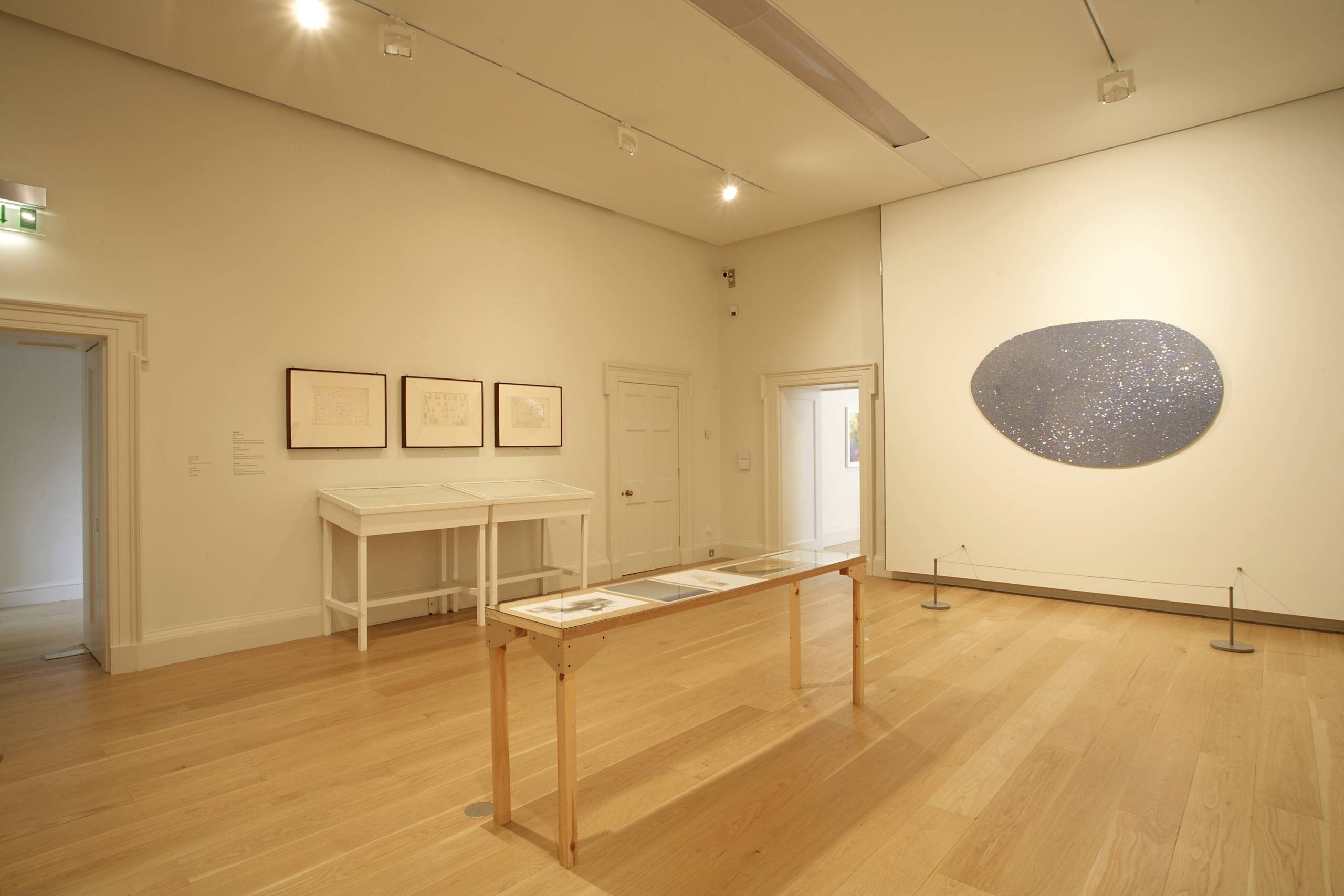
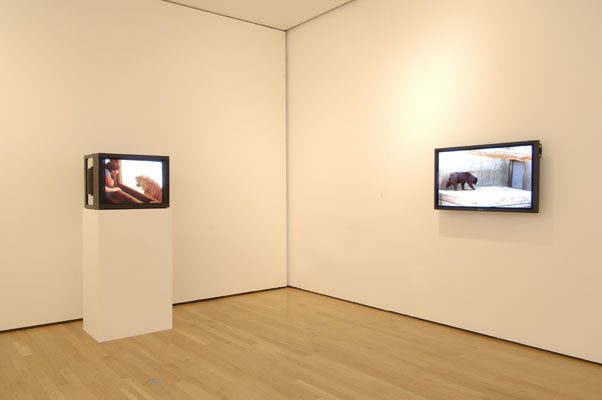
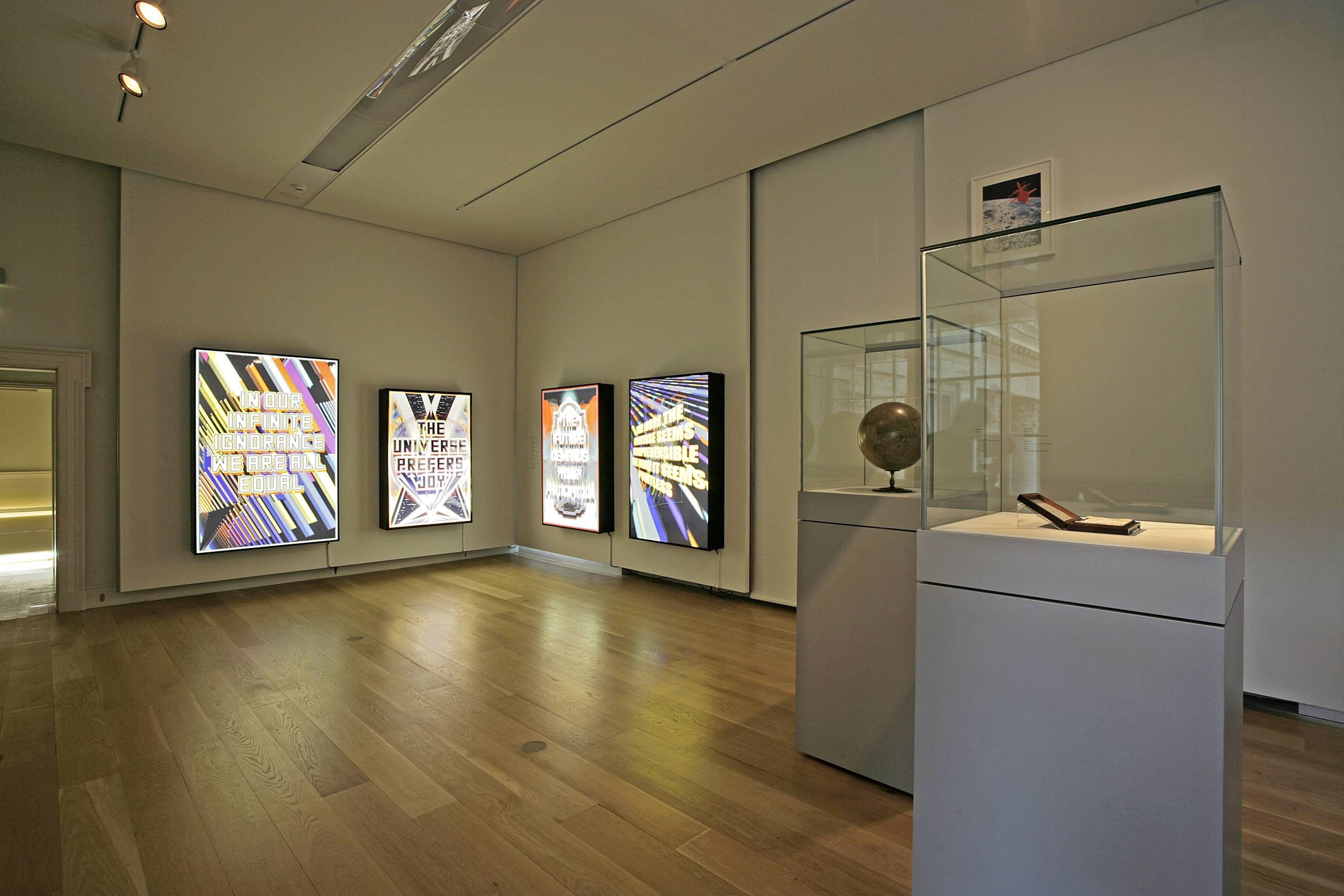
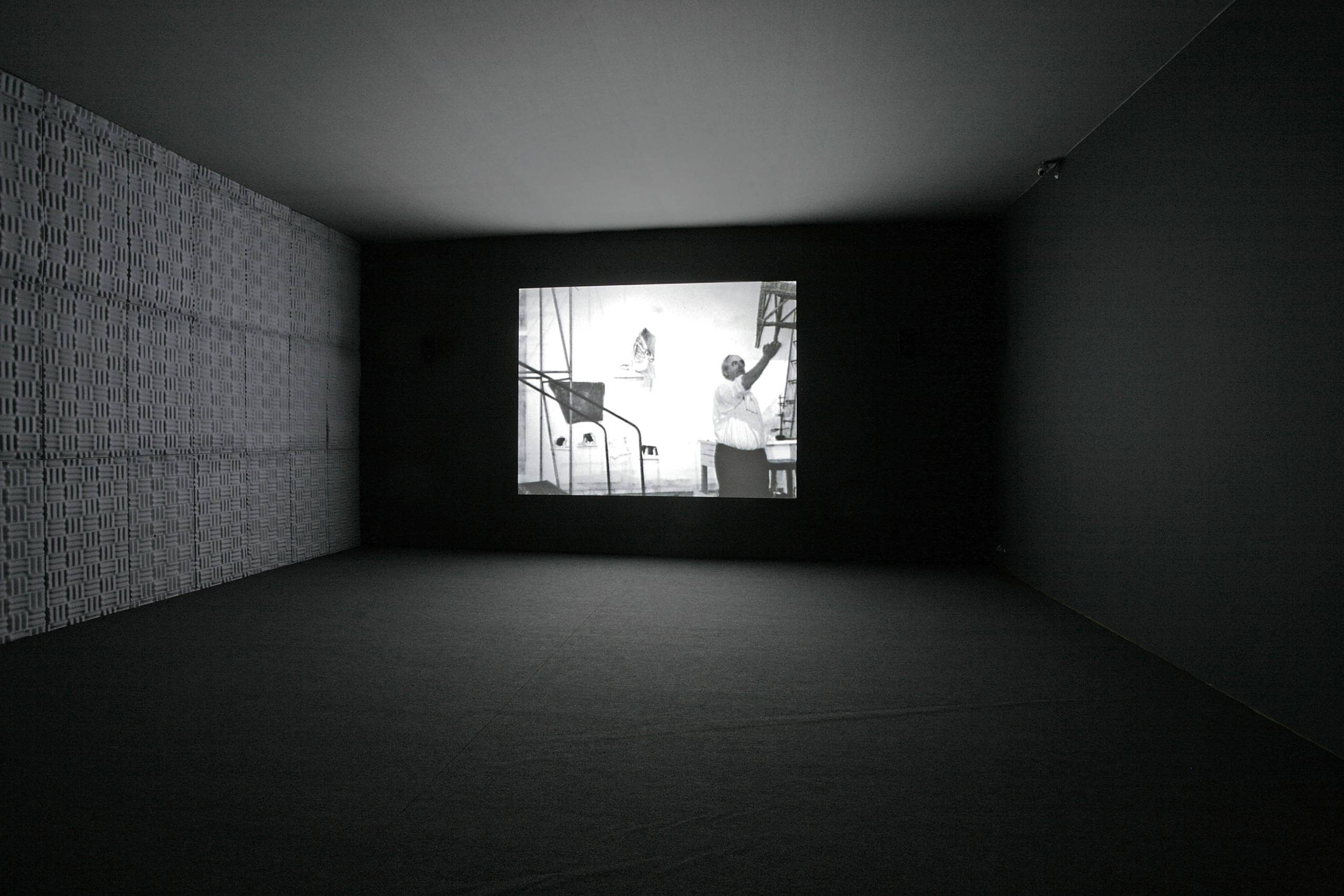
The exhibition included paintings, drawings, photography, music, sculpture and large-scale video installations, as well as a collection of science fiction magazines. Artists in the exhibition included Glenn Brown, John Cage, John Flamsteed, Graham Gussin, David A. Hardy, William Kentridge, Steve McQueen, Aleksandra Mir, Heather and Ivan Morison, John Murphy, John Russell, Bridget Smith, Wolfgang Tillmans and Fred Tomaselli. It will also feature commissioned work by Paul McDevitt and Mark Titchner.
The Starry Messenger was accompanied by an illustrated catalogue, with a specially commissioned essay by the acclaimed science fiction writer Brian Aldiss.